Innovate Your Environment with Ingenious Upcycling
Upcycling has gained widespread recognition as one of the most creative, eco-friendly, and resourceful ways to transform both your living and working spaces. This innovative approach goes beyond conventional recycling, breathing new life and value into items that might otherwise end up in landfills. In this comprehensive guide, discover how you can innovate your environment with ingenious upcycling techniques, ideas, and projects that inspire change for a greener and more artistic future.
Understanding Upcycling: The Smart Solution to Modern Waste
Before diving into creative upcycling projects, it's essential to understand what upcycling is and why it's critical for our environment. Upcycling refers to the process of transforming unwanted, discarded, or old items into new products of higher value or quality. Unlike recycling, which typically breaks materials down for re-manufacturing, upcycling conserves energy and resources by repurposing accessories, furniture, and even trash.
Why Is Upcycling Important?
- Reduces landfill waste: Giving items a second life means less contribution to overflowing landfills.
- Conserves resources: Upcycling saves energy, water, and raw materials otherwise needed to produce new goods.
- Promotes creativity: Ingenious upcycling pushes you to think outside the box, sparking new ideas for functional art and decor.
- Supports sustainability: Eco-minded upcycling creates less pollution, supporting a healthier planet.
- Saves money: Transforming and reusing items, rather than buying new, stretches your budget while stylishly personalizing your space.
Getting Started: Upcycling Basics
To innovate your environment with upcycling, start by adopting a mindset that sees potential in every object. The key is to identify opportunities to turn something obsolete into something functional and beautiful.
Assess Your Space
Look around your home or workplace. What unused materials or furniture do you have? Old wooden pallets, glass jars, tin cans, and even worn clothing can be transformed with a bit of creativity.
Gather Basic Tools
While many upcycling projects require only a small toolkit, here are some essentials:
- Hammer and nails
- Screwdriver and screws
- Pliers
- Paint and brushes
- Glue (wood, fabric, or all-purpose)
- Sandpaper
- Scissors or box cutter
Creative Upcycling Ideas for Every Environment
Let's explore a variety of ingenious upcycling solutions that redefine your surroundings. These ideas will not only add character to your space but also reflect your commitment to sustainability.
For the Home: Transformative Upcycling Projects
-
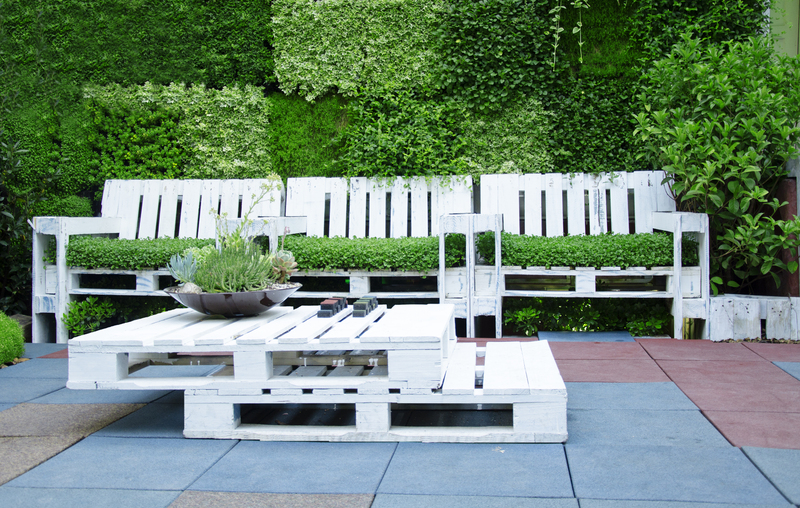
Pallet Furniture:
Old shipping pallets can be sanded, painted, and reassembled into stunning pieces of furniture. Consider creating rustic coffee tables, garden benches, or even bed frames. The versatile look complements both modern and vintage decor styles. -
Glass Jar Organization:
Rather than discarding glass jars, use them to organize pantry items, bathroom essentials, or craft supplies. Paint the lids for a fun twist or attach them to wooden planks as wall-mounted storage. -
Old Ladder Bookshelves:
Repurpose a wooden ladder by painting it and stacking planks along the rungs to create a unique, vertical bookshelf or display. This upcycling technique adds height and dimension to any room. -
Upcycled Textile Art:
Don't toss out old clothes! Cut fabrics into strips to make braided rugs, patchwork throws, or even wall art. This method is perfect for adding both texture and color to your environment. -
Customized Planters:
Tin cans, teapots, or shoes make charming plant holders. A coat of weather-resistant paint and creative patterns turn these containers into one-of-a-kind planters for indoor or outdoor spaces.
For the Office: Professional Yet Playful Upcycling
-
CD Stack Desk Organizers:
Outdated CDs and cases can be stacked and glued to build pen holders, file organizers, or even quirky clocks. This sustainable solution brings a nostalgic touch to any workspace. -
Upcycled Bulletin Boards:
Transform old frames or cork pieces into sleek bulletin and vision boards. Decorate with leftover fabric, buttons, or magazine cutouts for a personalized office flair. -
Furniture Facelifts:
Reinvent used desks and chairs by repainting or reupholstering with bold colors and patterns. This technique not only revives drab furniture but also establishes a unique atmosphere that encourages productivity and creativity.
For the Garden: Eco-Chic Outdoor Spaces
-
Tire Planters:
Old tires, with a touch of vibrant paint, become resilient and striking garden beds for flowers or small shrubs. -
Bottle Pathways:
Clear or colored glass bottles can be embedded into garden paths, reflecting light and adding colorful highlights to your landscape. -
Spoon Plant Markers:
Bend old metal spoons and label them with plant names for durable and recycled garden markers.
The Artistic Side of Ingenious Upcycling
Upcycling isn't just about functionality--it's a powerful art movement that encourages personal expression and innovation. Many artists and designers now embrace upcycling as a way to craft large-scale installations, unique jewelry, and even avant-garde fashion.
Examples of Artistic Upcycling
- Sculptures from Scrap Metals: Many artists sculpt intricate works using car parts, tools, and mechanical debris.
- Furniture from Repurposed Materials: Tables created from vintage doors, or chandeliers fashioned from glass bottles and cutlery.
- Wearable Art: Designers create stunning outfits and accessories with upcycled fabrics, plastics, and unconventional materials, challenging traditional fashion standards.
Benefits of Upcycling: Transform Your Life and Environment
As you integrate ingenious upcycling techniques into your daily routine, you'll notice far-reaching advantages:
- Promotes mindfulness: Every project becomes a chance to reflect on consumer habits and practice gratitude for what you already have.
- Enhances skills: Upcycling can improve your handiwork, technical abilities, and artistic sense.
- Builds community: Share project ideas, host upcycling workshops, or collaborate on group art installations for greater impact.
- Boosts well-being: A refreshed and personalized environment brings satisfaction and joy, enhancing your overall wellbeing.
- Contributes to environmental preservation: Each upcycled creation means fewer resources consumed and less waste produced.
Getting Creative: Top Tips for Successful Upcycling
- Start Small: Begin with beginner-friendly projects such as decorative jars or painted pots before tackling larger pieces like furniture or wall art.
- Experiment with Materials: Don't be afraid to mix wood, fabrics, metals, and plastics to create eclectic, innovative designs.
- Prioritize Safety: Use proper protective gear and tools, especially when cutting or sanding materials.
- Plan Your Project: Sketching or planning in advance helps avoid wasted materials and time.
- Personalize Your Work: Let your personality shine through colors, textures, and finishing touches.
- Share and Inspire: Post your upcycling successes on social media or community boards to inspire others to join the movement.
Future Trends: High-Tech Innovations in Upcycling
Upcycling is evolving rapidly as technology and creativity merge to create even more impactful solutions. 3D printing, laser cutting, and digital design tools enable more precise and unique upcycled products while reducing material waste. Businesses are also joining the trend by launching collections made entirely from upcycled or reclaimed materials, setting a new bar for sustainability in design industries.
Emerging Trends to Watch
- Smart Furniture: Upcycled materials incorporated into pieces with built-in technology--charging stations, wireless speakers, or lighting.
- Modular Upcycling: Designs that allow components to be rearranged or replaced, extending the lifecycle of products.
- Circular Economy Models: Product take-back and repurposing programs offered by companies to minimize waste and encourage customer participation.
- Community Maker Spaces: Venues equipped with tools and guidance where individuals can collaborate and innovate with upcycled materials.
How to Inspire Others: Spreading the Upcycling Movement
To truly innovate your environment with upcycling, consider involving others. Teach children the value of reusing materials with fun crafts. Collaborate with neighbors to transform public spaces using inventive upcycled art. Organize upcycling challenges or events in your area to bring people together around sustainability and innovation.
Conclusion: Start Your Ingenious Upcycling Journey Today
Embracing ingenious upcycling practices unlocks endless possibilities for environmental innovation and personal transformation. Every upcycled item reduces waste, saves money, and infuses your living or work environment with creativity and meaning. Whether you're a beginner or an experienced maker, your efforts contribute to a more sustainable, inspiring, and beautiful world.
Are you ready to innovate your environment with upcycling? Start exploring your surroundings, collect materials, and unleash your imagination. With every project, you not only refresh your space but also help protect our planet for generations to come.
Let the upcycling journey begin!
