Health & Safety Policy — Commercial Waste Removal Seven Sisters
 Policy Statement: This Health and Safety policy sets out the commitment of our commercial waste removal business operating across its rubbish company service area to protect employees, contractors, customers and the public. We will maintain safe systems of work, manage risks from commercial and industrial waste transfer, and ensure compliance with applicable health and safety principles. The policy applies to all aspects of our commercial rubbish disposal and waste collection activities undertaken in the service area.
The objectives are to prevent injury and ill health, to minimise environmental impact from waste handling and to promote a safety-first culture. All staff must understand their personal responsibilities and the expectations placed on supervisors and managers. The company will allocate resources necessary to meet these objectives and will continually review performance.
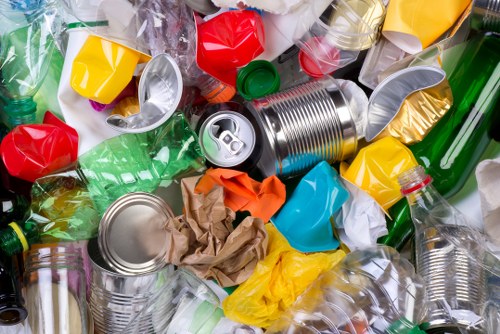
 Scope and Application: This statement covers all waste streams handled by the business including general commercial refuse, recyclable materials, bulky waste and controlled non-hazardous trade waste. Where hazardous or potentially infectious materials are encountered, additional controls and segregation procedures will be implemented. The policy supports consistent safe working practices across the rubbish removal Seven Sisters operation and wider waste removal service area.
Responsibilities and Roles
Senior management has overall accountability for health and safety and must ensure that appropriate systems are in place. Supervisors and team leaders are responsible for implementing risk controls, ensuring equipment is maintained and that staff receive adequate instruction. Individual employees must follow safe work methods and report hazards or incidents promptly.Managers will:
- Ensure risk assessments are conducted and reviewed;
- Provide appropriate training, supervision and PPE;
- Monitor compliance with safe operating procedures for collection, transport and disposal;
- Investigate incidents and implement corrective actions.

Risk Assessment and Control Measures
All tasks will be subject to documented risk assessments covering manual handling, vehicle operations, loading and unloading, use of compactors and manoeuvring on client premises. Controls will follow the hierarchy: elimination, substitution, engineering, administrative and personal protective equipment. Regular site-specific assessments will be completed for clients located within the service area to address issues such as restricted access and shared pedestrian routes.Manual handling and lifting are common causes of injury in refuse collection. The company requires safe handling training and provides mechanical aids where practicable. Drivers and loaders must adopt safe lifting techniques and work as teams when moving bulky items. Where manual handling risks cannot be eliminated, task rotations and rest breaks will be used to reduce exposure.
Vehicle safety covers daily walk-round checks, secure loading, correct weight distribution and the use of vehicle restraints. Drivers must comply with vehicle use policies, avoid vehicle overloading and ensure that reversing and manoeuvring are supervised using banksmen where necessary. Routine maintenance records will be kept to ensure transport reliability and safety.
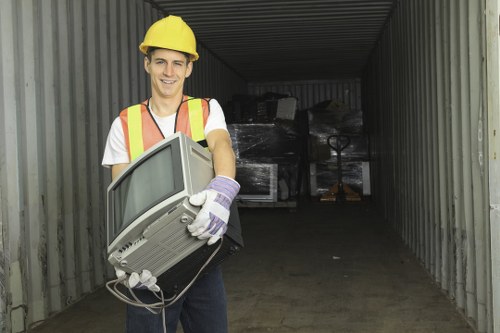 Personal Protective Equipment (PPE) and Health SurveillanceAppropriate PPE such as high-visibility clothing, gloves, protective footwear and eye protection will be supplied. Staff must wear PPE as required. For certain exposure risks, medical surveillance and immunisations (for example, tetanus where appropriate) will be made available. The company promotes good occupational health practices including manual handling fitness and awareness of zoonotic risks associated with some waste types.
Hazardous and Controlled Waste: When potentially hazardous items are identified, collection teams must follow segregation procedures and use approved containment. Items such as asbestos, sharps, chemicals or liquids will be handled only by trained personnel with specialist controls. Waste transfer notes and documentation will be maintained to demonstrate correct handling throughout the waste lifecycle.
Emergency procedures and incident response plans are in place for accidents, spills or fires. All staff will know how to summon emergency assistance, secure a scene and preserve evidence for incident investigation. Incident reporting and investigation will identify root causes and drive preventive measures to avoid recurrence in the rubbish company service area.
 Monitoring, Training and Continuous ImprovementPerformance is monitored through regular audits, near-miss reporting, toolbox talks and scheduled reviews. Training is delivered for new starters and refreshed periodically to maintain competence in waste handling, vehicle safety and site-specific hazards. The policy will be reviewed at least annually and updated as operational needs or statutory expectations evolve.
Conclusion: This health and safety policy provides the framework for safe delivery of commercial waste removal and collection within our service area. Everyone involved in the operation must contribute to a positive safety culture by following procedures, wearing required PPE, reporting hazards and participating in training. Through continual monitoring and proactive management we aim to minimise risk to people, property and the environment across the commercial rubbish disposal network.
Signed on behalf of the company
